
THE IMAGE OF THE FATHER IN ENGLISH AND UZBEK LITERATURE: A COMPARATIVE ANALYSIS OF AESTHETIC AND SPIRITUAL INTERPRETATION BASED ON ARTIFICIAL INTELLIGENCE
Аннотация
The image of the father is one of the most important and meaningful representations in world literature, reflecting cultural identity, moral values, and emotional relationships within the family. This article provides a detailed comparative analysis of how the father figure is portrayed in English and Uzbek literary traditions, with a focus on both aesthetic and spiritual interpretations. In addition, the study explores how artificial intelligence (AI) can support literary analysis by identifying patterns, themes, and linguistic features across texts. Using a qualitative methodology combined with AI-assisted analysis, the research examines selected literary works and identifies both similarities and differences in representation. The findings reveal that Uzbek literature tends to present the father as a symbol of moral authority, wisdom, and spiritual guidance, while English literature often portrays the father as a complex and psychologically nuanced individual. The study concludes that combining traditional literary analysis with AI tools provides a more comprehensive understanding of literary concepts and cultural differences.
Библиографические ссылки
1. Abrams, M. H. (1999). A glossary of literary terms. Heinle & Heinle.
2. Bode, K. (2018). A world of fiction: Digital collections and the future of literary history. University of Michigan Press.
3. Eagleton, T. (2008). Literary theory: An introduction. University of Minnesota Press.
4. Moretti, F. (2013). Distant reading. Verso Books.
5. Tyson, L. (2015). Critical theory today: A user-friendly guide. Routledge.
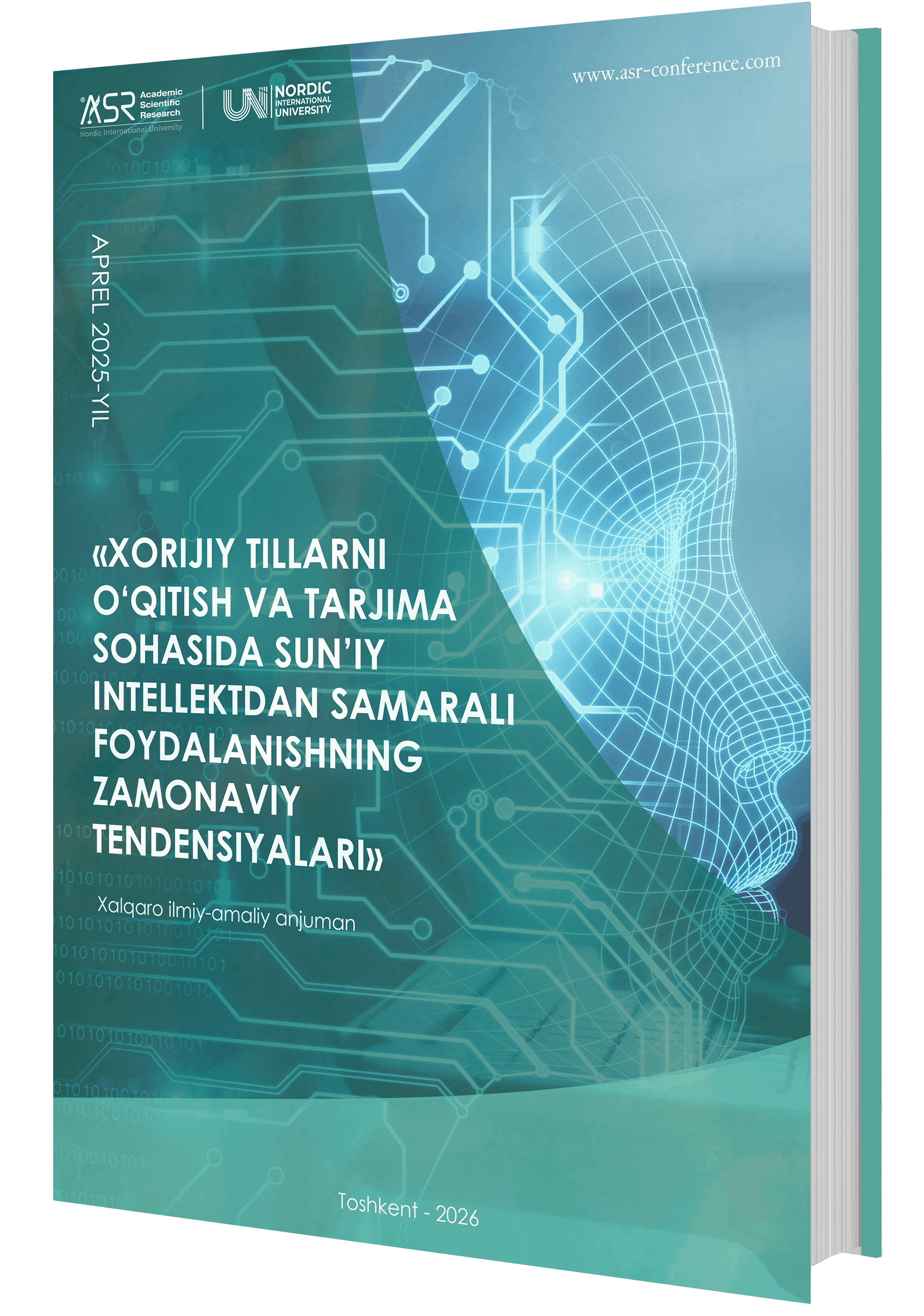
Загрузки
Опубликован
Выпуск
Раздел
Лицензия
Copyright (c) 2026 Maftuna Ro‘ziboyeva

Это произведение доступно по лицензии Creative Commons «Attribution-NonCommercial» («Атрибуция — Некоммерческое использование») 4.0 Всемирная.
Условия лицензии
Эта работа доступна под лицензией Creative Commons Attribution-NonCommercial 4.0 International License. Чтобы просмотреть копию этой лицензии, посетите http://creativecommons.org/licenses/by-nc/4.0/ или отправьте письмо по адресу Creative Commons, PO Box 1866, Mountain View, CA 94042, США.
По этой лицензии вы можете:
Поделиться — копируйте и распространяйте материал на любом носителе и в любом формате.
Адаптируйте — делайте ремиксы, трансформируйте и дорабатывайте материал.
Лицензиар не может отозвать эти свободы, если вы соблюдаете условия лицензии. На следующих условиях:
Атрибуция. Вы должны указать соответствующую ссылку, предоставить ссылку на лицензию и указать, были ли внесены изменения. Вы можете сделать это любым разумным способом, но не таким образом, который бы предполагал, что лицензиар одобряет вас или ваше использование.
Некоммерческое использование — вы не имеете права использовать материал в коммерческих целях.
Никаких дополнительных ограничений. Вы не имеете права применять юридические условия или технологические меры, которые юридически запрещают другим делать все, что разрешено лицензией.